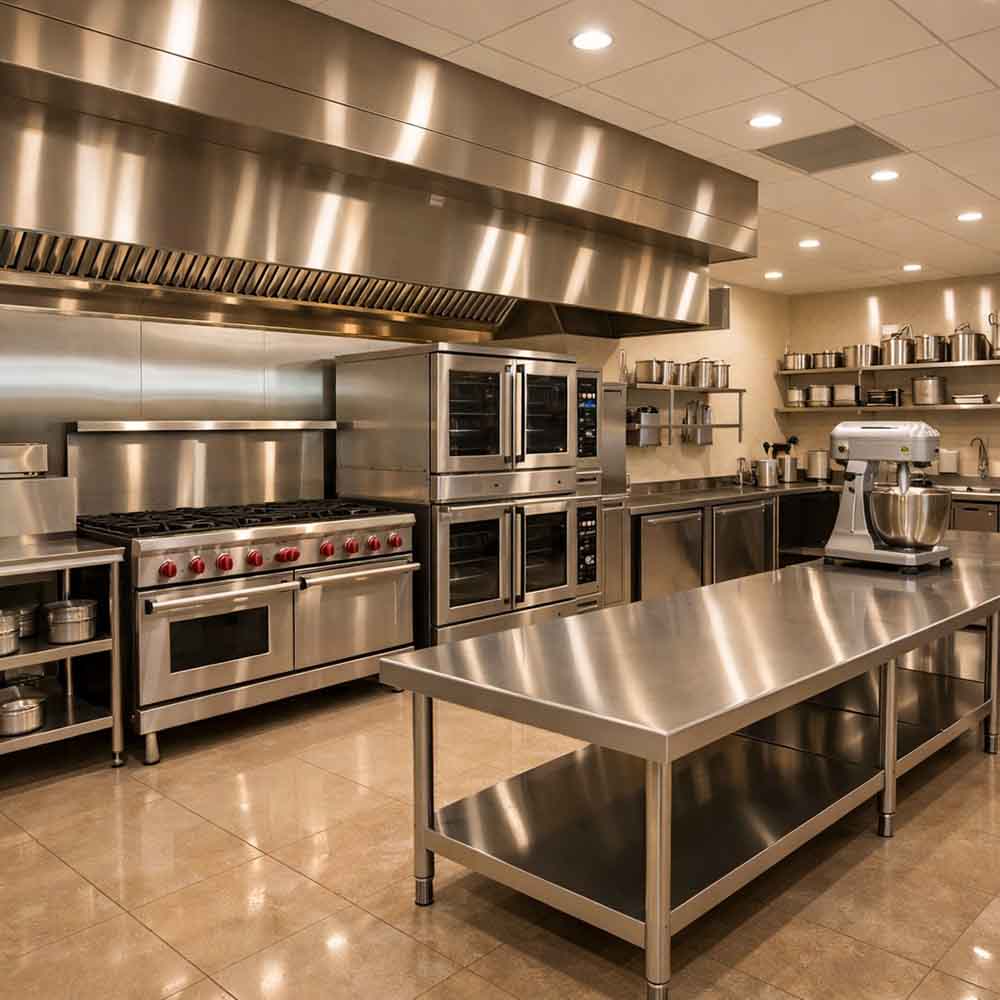
Grease, food scraps, and high-volume water use are a recipe for serious drain problems, and most restaurant owners don’t think about their drains until something stops working. The good news? A little consistency in how you care for your drains system can spare you a world of headaches and health code violations. That’s where we come in.
Peerless Plumbing Company and Nudrain Phoenix is the team that restaurant owners call for drain cleaning in Glendale, AZ that’s designed around the demands of a busy kitchen.
Why Restaurant Drains Are in a League of Their Own
Commercial kitchens generate significantly more drain stress than residential properties. According to the EPA, fats, oils, and grease (FOG) are among the leading causes of sewer overflows in the U.S., with restaurants being the primary contributors. When FOG cools inside your pipes, it hardens and accumulates, restricting flow and eventually causing full blockages.
Your drains aren’t just dealing with water. They’re handling:
- Grease and cooking oils from daily food prep and dishwashing
- Food particles that bypass drain strainers
- Soap and detergent buildup from cleaning products
- High water temperatures that push debris deeper into the line
Each of these creates layers of buildup over time. Left unaddressed, they can lead to foul odors, slow drainage, and backups during your busiest service hours.
What a Real Drain Maintenance Routine Looks Like
There’s no one-size-fits-all schedule, but here’s what works for most commercial kitchens:
Daily
Clear drain screens and strainers of food debris after each service
Wipe grease from pots and pans before washing them
Never pour hot grease directly down any drain
Weekly
Flush floor drains with hot water to push out surface buildup
Inspect visible drain covers for cracks or damage
Monthly
Arrange for a professional drain cleaning or hydro jetting service
Check your grease trap and pump it out as needed (most health codes require this every 1 to 3 months depending on kitchen volume)
Annually
Schedule a full video camera inspection of your main drain line
The National Restaurant Association recommends grease trap maintenance as a non-negotiable part of restaurant operations. Skipping it doesn’t just affect your plumbing. It can put your operating license at risk.
Hydro Jetting: The Standard for Commercial Drain Cleaning
When a standard snake or drain cleaning product isn’t enough, hydro jetting is the go-to method for commercial kitchens. This process uses high-pressure water, sometimes exceeding 4,000 PSI, to blast through grease, scale, and debris inside the pipe walls.
Unlike chemical drain cleaners, which can corrode older pipes and only address partial blockages, hydro jetting cleans the full interior diameter of the pipe. It’s safer for your plumbing, more thorough, and leaves the line in a condition that resists re-clogging longer.
Drain Problems That Won’t Wait for a Slow Day
Some warning signs are easy to dismiss as minor inconveniences. They rarely are. If you’re noticing any of the following, it’s time to call a professional:
- Slow drainage in more than one sink or floor drain at the same time
- Gurgling sounds coming from drains or toilets
- Persistent foul odors even after cleaning
- Water backing up into floor drains during peak hours
- Fruit flies or drain flies gathering near your floor drains
When multiple drains are affected at once, the issue is often in the main line, not just a single fixture. That’s a situation that needs camera inspection and targeted drain cleaning, not a bottle of store-bought solution.
Drain Maintenance Questions We Get Asked All the Time
How often should a restaurant grease trap be cleaned?
Most health departments require grease trap cleaning every 30 to 90 days, depending on kitchen volume. A full-service restaurant typically needs service every month or two. Waiting until it’s at capacity creates overflow risk and odor issues.
Is hydro jetting safe for older pipes?
It depends on the pipe material and condition. A professional will assess your line with a camera before recommending high-pressure jetting to make sure the pipe can handle it safely.
Can a floor drain backup affect my health inspection score?
Absolutely. Health inspectors look at drainage as part of sanitation compliance. Standing water, slow drains, and sewage odors are all citable violations that can result in demerits or, in serious cases, a temporary closure order. Keeping your drains clean and functional is as much about passing inspection as it is about day-to-day operations.
How do I know if my kitchen volume qualifies as high enough to need more frequent service?
A good baseline is how often your kitchen runs at full capacity. If you’re doing high-volume lunch and dinner service five or more days a week, monthly professional drain cleaning is worth building into your maintenance budget. A slower operation, like a cafe or small counter-service spot, may be fine on a less frequent schedule. When in doubt, a professional assessment of your grease trap and drain lines will tell you exactly where you stand.
Keep Your Kitchen Running Without Interruption
Your restaurant’s drain system works hard every single day. The best way to protect that system is with scheduled professional maintenance and a team that knows commercial plumbing inside and out.
Our team has been certified in trenchless pipe repair and rehabilitation since 2008. We hold NASSCO certification, Trenchless Platinum Certification, and our inspectors are certified pipelining specialists verified as No Dig installers. That kind of credentialing doesn’t happen by accident. It means every job we do is backed by the highest standards in the industry.
Don’t wait until a backup shuts down your service line.
Call Peerless Plumbing Company and Nudrain Phoenix today to schedule your commercial drain cleaning.

Schedule Service
This is by far the best experience I’ve ever had with a plumbing company. Or any company as a matter of fact. Lindsey made sure we understood the repairs and that we had constant communication. The crew was punctual, very friendly and knowledgeable. I will always use Peerless Plumbing for all my needs and recommend to anyone and everyone. Thank you guys!!!!! (Google)
Ana Gomez
Satisfied Customer