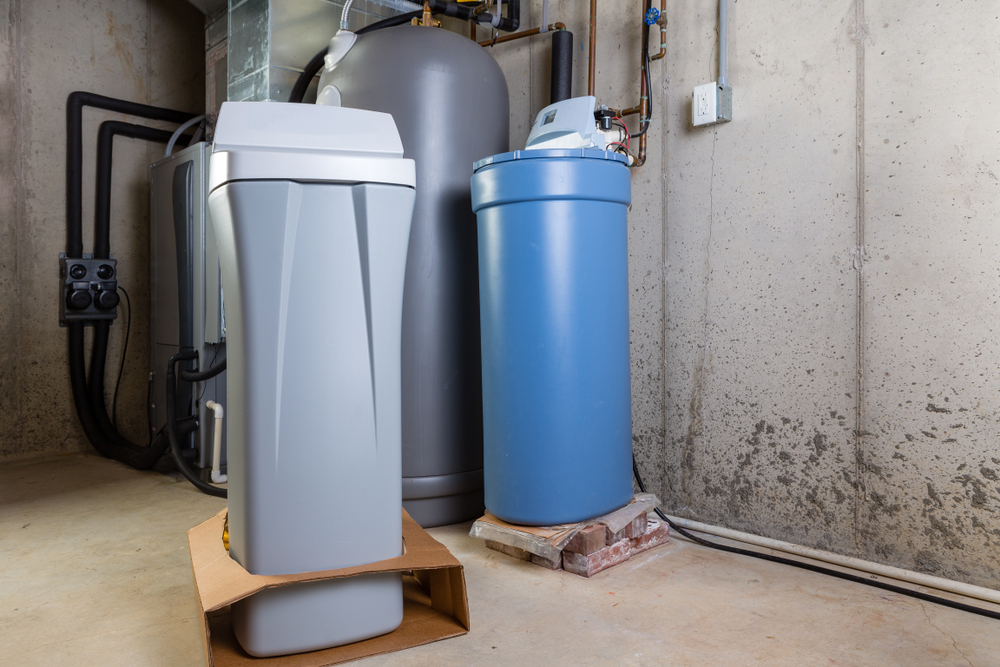
A properly working softener removes hardness minerals like calcium and magnesium from your water supply. The Phoenix area consistently ranks among the hardest municipal water supplies in the U.S., with hardness levels often exceeding 200 mg/L., so for homeowners relying on a water softener system in Phoenix, AZ, recognizing early warning signs can help you stay on top of these issues. At Peerless Plumbing Company and Nudrain Phoenix, we help homeowners identify the telltale signs that your water softener is due for servicing.
Sign #1: Scale Buildup Is Coming Back
One of the clearest signs of trouble is the return of white, chalky deposits around faucets, showerheads, and sinks.
You may notice:
- Spots on dishes and glassware
- Soap that does not lather well
- Mineral residue on fixtures
- Dry-feeling skin after bathing
These symptoms often indicate that hardness minerals are no longer being removed effectively. If the problem persists, professional water treatment services include inspections that determine whether the softener needs repairs, reprogramming, or replacement.
Sign #2: Your Water Feels Different
Many homeowners become accustomed to the feel of softened water. When the system begins failing, the change is often noticeable.
Common complaints include:
- Water feeling rough or harsh
- Laundry appearing dull after washing
- Increased soap usage
- Hair feeling less manageable after showering
These changes can happen when the resin bed inside the softener becomes worn or when regeneration cycles are no longer working correctly. Since these issues develop gradually, they are often overlooked until hard water symptoms become widespread throughout the home.
Sign #3: The System Is Running Constantly or Showing Errors
Modern water softeners are designed to regenerate on a schedule based on household usage. A unit that runs excessively, displays error messages, or consumes more salt than normal may be signaling an internal problem.
Other warning signs include:
- Salt remaining untouched in the brine tank
- Unusual sounds during regeneration
- Water around the system
- Reduced water pressure linked to mineral buildup
Water Softener FAQ
How long does a water softener typically last?
Most systems last about 10 to 15 years, though lifespan depends on water conditions, maintenance, and usage levels.
Can a failing water softener affect appliances?
Yes. Hard water scale can accumulate inside water heaters, dishwashers, and washing machines, reducing efficiency over time.
Is it normal to use more salt during certain seasons?
Usage can vary with household water consumption, but sudden spikes may indicate a problem with the regeneration process.
Restore Better Water Quality Today
If hard water symptoms are returning, don’t ignore the warning signs. Peerless Plumbing Company and Nudrain Phoenix is a family-owned business that has served the Phoenix area since 2008. We can inspect your system, identify the source of the problem, and recommend the right solution for your home’s water needs. Contact our team today to schedule service and get your water softener performing properly again.

Schedule Service
This is by far the best experience I’ve ever had with a plumbing company. Or any company as a matter of fact. Lindsey made sure we understood the repairs and that we had constant communication. The crew was punctual, very friendly and knowledgeable. I will always use Peerless Plumbing for all my needs and recommend to anyone and everyone. Thank you guys!!!!! (Google)
Ana Gomez
Satisfied Customer