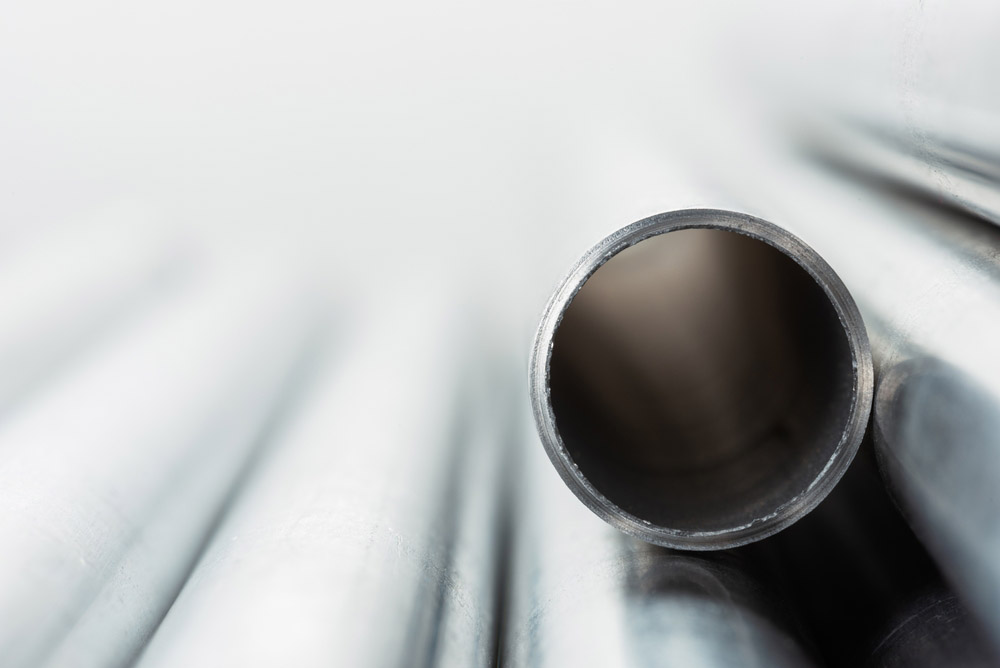
Pipe lining reduces the internal pipe diameter by roughly 6 to 8 millimeters. But that slim new lining also seals cracks, eliminates root intrusion points, and creates a jointless, corrosion-resistant channel that can last 50 years or more. For homeowners and property managers exploring trenchless sewer repair in Scottsdale, AZ, that trade-off is almost always worth it.
Why a Smaller Diameter Doesn’t Mean Slower Flow
Here’s what the numbers actually show: flow capacity is governed by the Hazen-Williams equation, which accounts for both pipe size and the friction coefficient of the pipe’s interior surface. Cast iron and clay pipes develop rough, corroded walls over time, which creates significant drag. A freshly installed liner has a much smoother surface, so water moves through it with less resistance.
According to research published by the National Association of Sewer Service Companies (NASSCO), a relined pipe often maintains flow capacity comparable to, or better than, the original deteriorated pipe it replaced.
What the Liner Is Made Of
The material used in trenchless pipe lining is typically a felt or fiberglass tube saturated with epoxy or polyester resin. Once it’s inverted or pulled into the host pipe and cured with hot water, UV light, or ambient temperature, it hardens into a rigid, seamless pipe within a pipe. The result bonds to the interior wall and fills in cracks, holes, and offset joints from the inside out.
That process eliminates the most common entry points for problems:
- Tree root intrusion through pipe joints
- Groundwater infiltration through hairline cracks
- Sediment buildup along rough, corroded pipe walls
- Hydrogen sulfide corrosion in older clay and cast iron lines
The Diameter Reduction in Practical Terms
For a standard 6-inch sewer line, the liner reduces the internal diameter to roughly 5.7 inches. For a 4-inch residential line, you’re looking at approximately 3.7 inches of clear opening. Under normal residential or commercial flow conditions, that reduction creates no measurable performance drop, especially when the original pipe had years of buildup narrowing it further.
Where diameter reduction does matter is in pipes already operating near maximum capacity, like high-volume commercial drain systems or aging municipal connections. In those cases, drain lining may need to be paired with a hydraulic flow assessment to confirm the relined pipe meets demand requirements before work begins.
The Longevity Payoff
Independent studies, including those cited by the Water Research Foundation, have documented cured-in-place pipe (CIPP) liners performing reliably for 50 years under normal conditions. Compare that to full pipe replacement, which disrupts landscaping, driveways, and structures, and the liner’s minor diameter reduction starts to look like a very reasonable compromise.
Questions Often We Hear Before Every Lining Job
Will the diameter reduction affect my toilets and fixtures?
For most residential systems, no. Toilets, sinks, and tubs are designed with flow rates that standard relined pipes handle without issue.
Can a relined pipe be cleaned with a hydro jet later?
Yes. Cured liners are durable enough to withstand professional hydro jetting, which is actually recommended periodically to keep the smooth interior at peak performance.
Does the liner work in pipes that are partially collapsed?
It depends on the degree of collapse. A camera inspection will determine if the host pipe has enough structural integrity to accept a liner. Severe collapses may require spot repairs or replacement first.
How long does the curing process take?
Most residential jobs cure within two to six hours, depending on the method and pipe length. The line is typically back in service the same day.
One Small Trade-Off, One Team That Makes It Worth Every Bit.
When diameter trade-offs and liner longevity matter, the installer’s training and certification matter just as much as the materials. Our team has been performing trenchless services since 2008, and we hold Trenchless Platinum Certification, NASSCO Certification, and Certified Pipelining Inspector credentials. We’re also a verified No Dig installer, which means our methods and quality standards have been independently confirmed.
The diameter shrinks by a fraction. The lifespan grows by decades. If your pipes are cracked, corroded, or compromised, call Peerless Plumbing Company and Nudrain Phoenix.

Schedule Service
This is by far the best experience I’ve ever had with a plumbing company. Or any company as a matter of fact. Lindsey made sure we understood the repairs and that we had constant communication. The crew was punctual, very friendly and knowledgeable. I will always use Peerless Plumbing for all my needs and recommend to anyone and everyone. Thank you guys!!!!! (Google)
Ana Gomez
Satisfied Customer