When a main sewer line collapses beneath a home or business, time moves fast. Waste backs up into low-lying fixtures, foul sulfur odors fill hallways, and panic sets in immediately. Historically, resolving a compromised underground pipe meant turning your property into an open construction zone. Massive backhoes tore through manicured turf, smashed custom concrete, and ripped up expensive hardscaping, leaving property owners with five-figure restoration bills on top of high plumbing costs.
Trenchless sewer restoration changes that dynamic completely. Instead of destroying surface structures to dig out broken pipes, non-invasive rehabilitation repairs your plumbing system from the inside out. At Peerless Plumbing Company and Nudrain Phoenix, we leverage advanced Cured-In-Place Pipe (CIPP) lining technology to repair structural pipe failures without tearing up your yard or driveways.
When dealing with slow drains, sewer backups, or root intrusion, getting trenchless pipe repair in Phoenix, AZ gives you direct control over your property’s plumbing infrastructure. Modern plumbing emergencies do not require destructive digging. Advanced epoxy engineering resolves deep subsurface pipe failures cleanly, efficiently, and permanently.
For homeowners and business managers across the Valley, an unexpected subsurface sewer failure can freeze daily routines entirely. Standard household activities, from running the dishwasher and washing laundry to taking a shower, instantly come to a halt the moment raw sewage begins pushing backward through drain openings. In commercial properties like busy retail centers or medical facilities, an unaddressed sewer main issue forces immediate operational shutdowns, creating massive daily revenue losses and severe health code violations. Navigating these urgent scenarios requires a modern plumbing approach that prioritizes fast execution, structural safety, and minimal environmental impact.
The traditional response to deep plumbing failures relies on destructive earthmoving strategies that disrupt entire neighborhoods. Excavation crews must establish wide safety perimeters, maneuver heavy diesel equipment across delicate residential turf, and dig deep trenches through soil to manually expose damaged piping. This heavy-handed excavation process not only destroys custom landscaping, stone pavers, and concrete driveways, but it also creates major safety hazards around your property. Open trenches remain exposed for days at a time, generating airborne dust pollution, blocking vehicle access, and creating fall hazards for pets, family members, and pedestrian traffic.
By shifting away from legacy trenching techniques, modern trenchless pipe lining completely redefines how structural sewer line repair is performed beneath residential and commercial buildings. Instead of treating your lawn or commercial parking lot as an open excavation pit, CIPP technology converts your existing, damaged line into a guide pipe for a brand-new, jointless structural sleeve. Utilizing localized entry points and advanced epoxy chemistry, our field team restores full system performance in a fraction of the time required by legacy contractors. This smart engineering eliminates structural surface restoration expenses while giving property owners a high-strength, long-lasting drainage system built to handle heavy use for decades.
The Unique Subsurface Environment in the Phoenix Valley
Underground plumbing systems in the Sonoran Desert face specific environmental stressors that traditional piping materials cannot handle indefinitely. Below our surface soil sits caliche, a concrete-like sedimentary layer formed by calcium carbonate deposits. Breaking through caliche requires heavy excavation machinery, pneumatic jackhammers, and substantial manual labor. When open-trench contractors try to dig up a deep sewer line in local desert soil, excavation costs skyrocket quickly because of this stubborn subsurface layer.
Extreme heat and soil movement compound these physical stresses. As Valley temperatures soar during long summers, clay-heavy soils undergo significant moisture expansion and contraction cycles. Ground shifting puts immense shear pressure on rigid underground lines, causing micro-cracks along old pipe joints and fittings.
Local vegetation targets these underground cracks directly. Native trees like Mesquite, Palo Verde, and regional desert shrubs possess aggressive root networks hardwired to seek out water sources. A small hairline crack in an old sewer line releases microscopic moisture into the dry soil. Roots grow straight toward that leak, forcing their way inside, splitting pipe walls, and causing complete sewer line blockages.
Many homes built across mid-century neighborhoods still rely on original cast iron or Orangeburg sewer pipe materials. Decades of mineral-heavy hard water create thick tuberculation and scale buildup, narrowing internal flow pathways. Over time, cast iron undergoes bottom-channel corrosion, where acidic wastewater eats completely through the bottom of the pipe, leaving open dirt channels underneath your foundation.
In addition to physical soil stresses, the chemically reactive nature of desert groundwater accelerates oxidation in metallic pipes. When cast iron corrodes, the rough interior creates snag points for toilet paper, organic waste, and cooking grease. Over years of build-up, these snag points restrict flow capacity until total drainage failure occurs. Replacing these lines through traditional trenching requires jackhammering indoor concrete floor slabs, causing immense dust pollution, structural displacement, and temporary relocation costs for occupants.
Understanding Cured-In-Place Pipe (CIPP) Technology
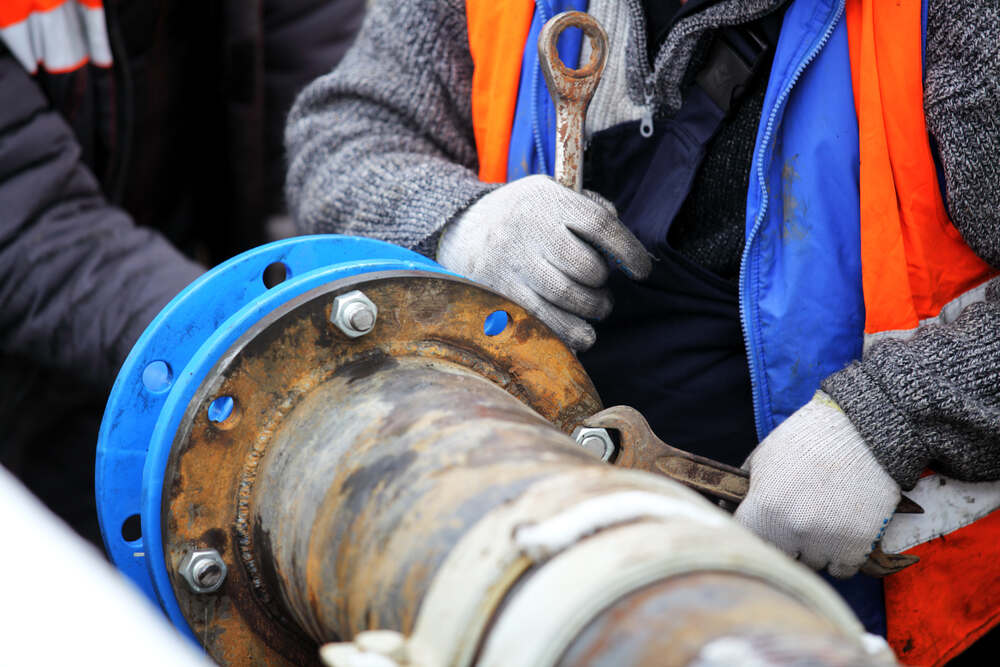
Trenchless cured-in-place pipe lining replaces traditional excavate-and-replace methods by forming a seamless, jointless structural core directly inside the existing compromised host pipe. Rather than tearing out the old line, we use advanced composite engineering to build a strong, corrosion-proof new pipe within the old structure.
The restoration process follows a precise series of engineered steps to ensure structural integrity:
- HD Sewer Camera Inspection: We deploy high-definition sewer camera inspection equipment through an accessible cleanout. This camera traverses the entire sewer line, mapping cracks, root intrusions, structural offsets, and low spots. Accurate video mapping ensures the lining material matches your exact pipe dimensions and structural layout.
- Mechanical Cleaning and Hydro-Jetting: Before installing the new liner, we restore the host pipe’s original interior diameter. Mechanical chain cutters shear away tree roots and heavy scale, followed by high-pressure hydro-jetting. Flushing away grease, root debris, and loose rust ensures the epoxy liner bonds directly to the host pipe walls.
- Epoxy Liner Insertion: We measure and cut a flexible, textile liner tube, saturating it thoroughly with a high-strength epoxy resin formula. Using inverted air pressure or pulled-in-place cables, we maneuver the resin-soaked liner through an existing cleanout entry point and position it precisely along the damaged pipe section.
- Expansion and Curing Process: An internal bladder inflates inside the resin tube, pushing the flexible liner tightly against the inner walls of the host pipe. Controlled heat, steam, or UV light passes speed up the chemical reaction, hardening the epoxy resin into a solid structural pipe in a few hours.
- Final Video Inspection: Once cured, we deflate and remove the internal bladder. We perform a final optical video inspection to verify complete curing, smooth joint transitions, and optimal flow dynamics before returning the system to service.
Because the new CIPP lining forms a single continuous tube from the property boundary to the municipal connection, it eliminates the gaps, joints, and seams inherent to standard sectional piping systems. Joints represent the weakest link in traditional plumbing networks; they shift under ground movement and allow root entry. By removing joints entirely, trenchless CIPP lining creates an impenetrable barrier that keeps roots out permanently.
Comparing Trenchless Pipe Lining to Traditional Trenching
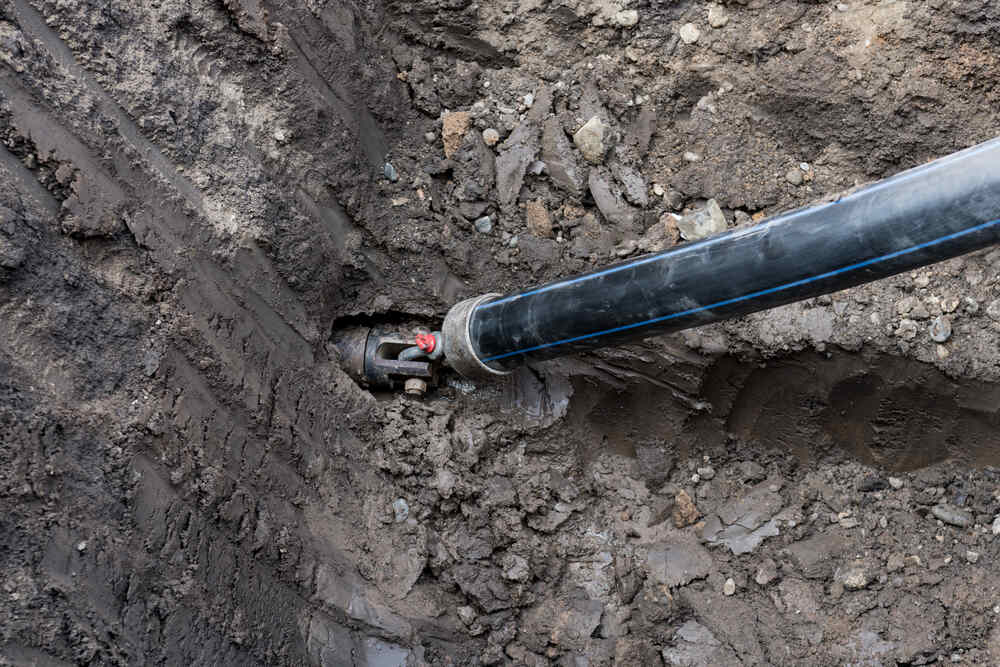
Choosing trenchless sewer line repair delivers substantial practical, financial, and structural benefits over traditional excavation:
- Zero Property Destruction: Standard replacement destroys front lawns, custom concrete driveways, brick pavers, and expensive landscaping. Trenchless installations use existing cleanout points, leaving surface features completely untouched.
- Rapid Installation Times: Open-trench excavations take days or weeks of heavy digging, backfilling, and surface reconstruction. Most trenchless pipe lining projects finish within 24 hours.
- Significant Cost Savings: While specialized epoxy lining equipment requires technical precision, you eliminate heavy machinery fees, haul-away costs, labor hours, and thousands in landscape restoration expense.
- Superior Material Longevity: The smooth epoxy core resists chemical corrosion, acidic wastewater, mineral scaling, and root penetration, adding 50-plus years of service life to your drainage system.
- Improved Flow Performance: Elimination of rough cast-iron scale creates an ultra-smooth interior surface, reducing friction and maximizing flow speed.
Traditional sewer replacement often involves unforeseen site restoration costs. When heavy earthmoving machinery crushes stamped concrete walkways or severs irrigation zones, those repair costs fall squarely on the property owner. Trenchless sewer restoration eliminates these indirect financial risks entirely by keeping the construction work contained within the interior of the pipe.
Versatile Structural Solutions Across Property Types
Trenchless infrastructure renewal works across diverse residential, commercial, and industrial properties. Whether managing an occupied home, an open restaurant, a commercial facility, a medical building, or a parking lot, trenchless technology fixes broken sewer lines without interrupting daily operations.
For homeowners, trenchless pipe repair eliminates breaking concrete floor slabs to reach leaking pipes under kitchens, bathrooms, or living areas. Commercial property managers avoid shutting down operations or losing revenue, as crews complete structural sewer repairs without blocking customer parking or disturbing sensitive patient environments.
In food service applications, open-cut plumbing repairs require tearing up kitchen floor tiles, which triggers strict health department inspections, mandatory closures, and thousands of dollars in lost daily sales. Trenchless lining allows commercial kitchens to maintain food prep operations without dust contamination or operational shutdown. Medical environments, such as clinics and senior care facilities, rely on non-invasive pipe rehabilitation to maintain sterile, particulate-free indoor environments while structural plumbing upgrades occur underground.
Parking structures and commercial strip centers benefit similarly. Ripping open asphalt parking stalls eliminates valuable customer spaces, disrupts traffic patterns, and requires costly repaving and re-striping. Trenchless CIPP installations operate through minimal access points, keeping parking spaces open and business logistics running smoothly.
Choosing an Expert Trenchless Contractor
Rehabilitating underground sewer lines requires specialized technical training, calibrated machinery, and proven field experience. Installing CIPP liners demands precise resin mixing, correct inflation pressures, and accurate curing times.
As a family-owned company, Peerless Plumbing Company and Nudrain Phoenix provide quality trenchless services that are unmatched by competitors. Serving as trenchless experts since 2008, our team maintains top industry certifications:
- NuFlow Platinum Certified: Highlighting elite competence with advanced cured-in-place epoxy systems.
- NASSCO Certified: Verifying adherence to National Association of Sewer Service Companies inspection standards.
- Certified Pipelining Inspectors: Ensuring every liner deployment meets strict structural standards.
- No Dig Verified Installer: Confirming verified mastery of non-invasive pipe rehabilitation practices.
- Better Business Bureau Torch Award for Ethics Nominee: Reflecting our ongoing commitment to fair, honest customer service.
Through continuous training and professional diagnostic tools, our crew resolves complex underground piping issues efficiently while delivering long-lasting structural results.
Working with certified technicians protects property owners from common installation errors, such as incomplete resin impregnation, improper calibration, or inadequate heat distribution during the curing phase. Our certified specialists utilize advanced optical monitoring to ensure that the epoxy liner expands evenly against the host pipe, eliminating voids or wrinkles and establishing an optimal seal.
Long-Term Environmental and Economic Value
Beyond immediate cost savings, trenchless pipe restoration delivers long-term environmental advantages. Traditional excavation releases heavy carbon emissions through diesel machinery operation and transportation of tons of displaced dirt and concrete rubble to local landfills. Trenchless lining works with existing infrastructure, drastically minimizing landfill waste and reducing the overall carbon footprint during installation.
From an economic perspective, installing a seamless CIPP line enhances total property value. Real estate transactions can be affected when buyer sewer scope inspections reveal root-damaged cast iron lines beneath the structure. Providing documentation of a fully restored, NASSCO-inspected trenchless pipe liner gives prospective buyers absolute confidence in the property’s structural integrity.
In addition, trenchless pipe restoration minimizes localized soil compaction issues. When traditional contractors dig deep trenches and backfill them with loose dirt, soil settling occurs over the following months and years. This settling causes sinking driveways, cracked foundation slabs, and dangerous depressions in yards. Trenchless lining leaves the surrounding soil structure intact, preserving structural stability across your entire lot.
Frequently Asked Questions
- How long does trenchless pipe lining last after installation?
High-grade epoxy CIPP lining creates a smooth, jointless structural core rated to last 50 years or longer under normal usage.
- Will trenchless lining significantly decrease my sewer line’s flow capacity?
The epoxy liner reduces interior pipe diameter by only a few millimeters, while its ultra-smooth surface reduces friction and improves flow capacity.
- Can trenchless pipe repair fix sewer lines invaded by tree roots?
Yes, hydro-jetting and mechanical cutters clear out tree roots completely before liner insertion, and the jointless epoxy core prevents future root entry.
- Is trenchless lining suitable for pipes located beneath concrete floor slabs?
Trenchless lining restores damaged pipes underneath floor slabs directly through external access cleanouts without breaking up interior concrete floors.
Protect Your Property with Modern Trenchless Pipe Repair
Underground plumbing emergencies require non-invasive, long-lasting solutions. Trenchless pipe lining restores failing sewer lines rapidly while saving driveways, yards, and concrete floors from destructive digging.
As trenchless experts serving local property owners since 2008, Peerless Plumbing Company and Nudrain Phoenix deliver reliable, high-performing sewer repairs using industry-leading CIPP technology. Contact our team today to schedule an optical sewer camera inspection and protect your property with no-dig pipe lining.

Schedule Service
This is by far the best experience I’ve ever had with a plumbing company. Or any company as a matter of fact. Lindsey made sure we understood the repairs and that we had constant communication. The crew was punctual, very friendly and knowledgeable. I will always use Peerless Plumbing for all my needs and recommend to anyone and everyone. Thank you guys!!!!! (Google)
Ana Gomez
Satisfied Customer