When you flush a toilet, run a bathroom faucet, or drain a sink in your home, you expect the wastewater to disappear instantly and cleanly down the drain, traveling far away into the municipal main without a second thought. But beneath your manicured desert landscaping, custom tile floors, polished stone patios, and pristine concrete driveways, an intricate underground sewer network is working around the clock under extreme environmental stress. Everyday life inside a Sonoran Desert home exposes buried drainage systems to harsh physical dynamics that most property owners never see or consider until foul-smelling sewage backs up into a shower basin, a toilet overflows onto hardwood flooring, or a mysterious soggy patch ruins an expensive xeriscaped lawn.
At Peerless Plumbing Company and Nudrain Phoenix, we feed high-definition, self-leveling optical cameras down drain lines across the Valley every single day. What we discover lurking inside those dark, underground channels rarely matches what property owners imagine is down there. A sewer camera inspection in Scottsdale, AZ, is far more than a simple diagnostic routine. It is an eye-opening investigative tour into a hidden subsurface ecosystem made up of calcified mineral scale, aggressive root networks, shifting soils, structural fractures, and decades of accumulated debris.
As a local, family-owned team of dedicated trenchless experts since 2008, we have logged thousands of hours scoping, analyzing, and rehabilitating residential and commercial drainage systems throughout the Valley. We are proud to be Trenchless Platinum Certified, NASSCO Certified (LACP, PACP, and MACP), and Certified Pipelining Inspectors operating as a No Dig Verified Installer. Recognized as a Better Business Bureau Torch Award for Ethics Nominee, our core commitment is delivering quality trenchless services that are unmatched by our competitors. Through our top-notch training programs, our crew members do not merely clear surface-level blockages; we uncover and address the underlying structural root causes of pipe failure. Whether we are inspecting an occupied home, a bustling commercial facility, a medical building, an active restaurant in Old Town, or a heavily trafficked asphalt parking lot, the live, high-definition video feed reveals an undeniable, unvarnished story.
Much like homeowners must evaluate structural decisions above ground, such as carefully choosing between a ductless AC unit and a central air system to handle Arizona’s intense climate, evaluating what lies beneath your property requires an equally thoughtful approach. What you cannot see under your foundation can impact your indoor comfort, structural stability, and property value just as drastically as an unreliable cooling setup during a 115-degree July heatwave.
The Sonoran Underground: Natural Forces Attacking Scottsdale Sewer Lines
To understand what hides inside your waste lines, you first must understand the hostile underground environment surrounding them throughout North Scottsdale, McCormick Ranch, Gainey Ranch, and Old Town. Beneath the topsoil sits a notoriously dense, cement-like subsoil layer known as caliche. Caliche forms when calcium carbonate binds gravel, sand, and clay into a rigid hardpan that can extend several feet deep into the earth. When original builders laid main sewer lines decades ago, those pipes were often installed directly against or inside this unyielding caliche layer.
Compounding this geology is Arizona’s extreme seasonal climate cycle. During the long summer months, ground temperatures soar, completely drying out the upper soil layers and causing heavy clay soils to shrink and pull away from foundations. When the late-summer monsoon season strikes, sudden torrential downpours saturate the parched earth, causing the surrounding clay to swell rapidly. This ongoing shrink-and-swell dynamic subjects buried drainpipes to immense vertical and lateral shearing forces. Rigid materials like vintage vitrified clay and heavy cast iron snap or split under the pressure, while newer plastic PVC lines can flex, belly out of alignment, or pull completely apart at the joints.
To make matters worse, municipal tap water across the region contains exceptionally high levels of dissolved minerals, particularly calcium and magnesium. Every time water flows down a sink, shower, or washing machine drain, those dissolved minerals travel through your lateral pipe. Over years of continuous exposure, hard water leaves behind thick, calcified crusts along the bottom and sides of the line, converting once-smooth pipe walls into jagged, high-friction surfaces that grab onto everything passing through.
What Is Really Hiding Inside Your Sewer System?
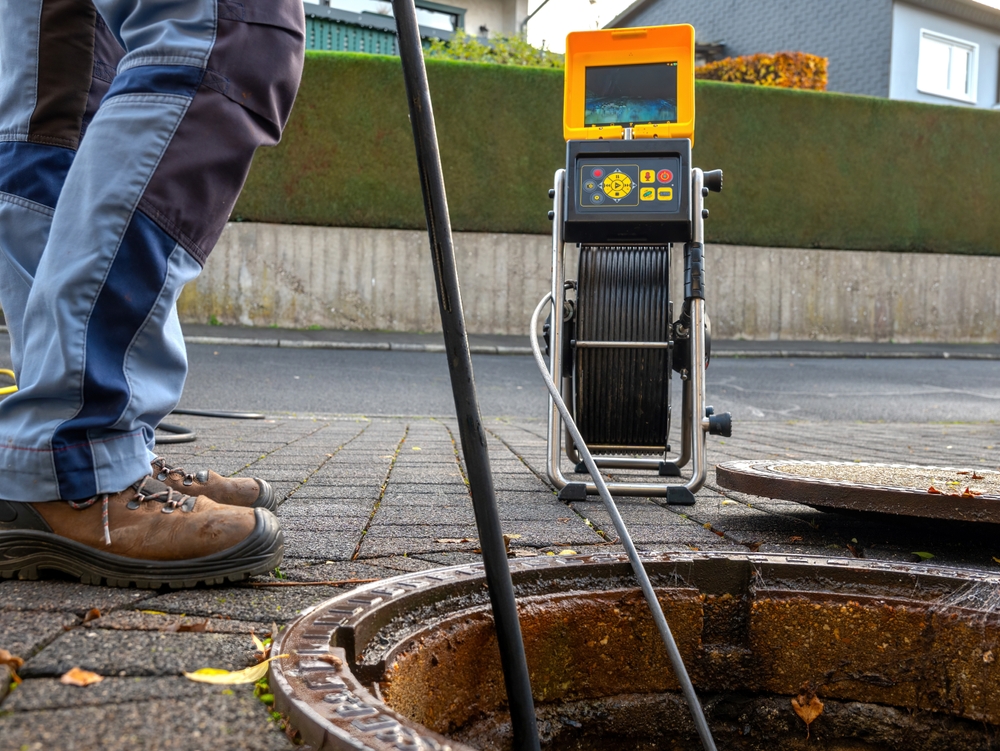
When our technicians insert a specialized micro-camera through your exterior sewer cleanout, the real-time high-definition monitor exposes several distinct types of structural damage, organic intrusions, and chemical wear.
1. Thirsty Root Networks and Tap-Root Invasions
In a dry desert climate, native and ornamental trees possess an extraordinary ability to locate underground moisture sources far from their trunks. Species such as mesquite, palo verde, ironwood, bougainvillea, and oleander send out aggressive feeder roots up to 30 feet or more in search of water.
The smallest hairline crack, pinhole corrosion leak, or unsealed pipe joint constantly releases a tiny, warm vapor trail into the surrounding dirt. Tree roots sense this humidity and grow toward the pipe, eventually forcing their way inside the microscopic gap. Once inside the line, the nutrient-rich wastewater acts as an intense fertilizer. A single hair-like root tip quickly branches into a dense, matted forest that traps toilet paper, hair, grease, and solid waste. On our live camera feed, these root masses often look like thick, dark sponges occupying 80 to 90 percent of the pipe’s volume.
2. Caliche Shear Fractures and Offset Joints
As the rigid caliche hardpan holds its position while surrounding clay soils expand and contract, the pipe sections sandwiched between them suffer severe structural strain. On camera, this structural failure shows up as an offset joint, a point where two connecting sections of pipe have shifted out of alignment, creating an uneven interior step.
When a pipe joint offsets, it creates a sharp vertical lip directly in the path of outgoing wastewater. Toilet paper and solid materials catch on this exposed edge during every flush, building up over time into recurring, stubborn blockages. Even worse, during heavy rainstorms, surrounding groundwater washes through the open gap in the offset, carrying away the supporting soil beneath the line. This ongoing erosion leaves the pipe unsupported, eventually leading to localized structural collapses.
3. Tuberculation, Rust Scales, and Mineral Stalactites
Cast iron sewer lines installed under homes built in the mid-to-late 20th century suffer from an internal rusting process known as tuberculation. As the iron oxidizes from exposure to water and oxygen, it reacts with the heavy calcium and magnesium minerals present in local water supplies, forming rough, dark, jagged mineral crusts inside the line.
Through the camera lens, a heavily tuberculated cast iron pipe resembles a dark underground cave covered in jagged rust flakes and mineral stalactites. This rough buildup severely restricts flow, reducing a smooth four-inch pipe to a constricted, two-inch channel. Raw sewage and paper catch on the sharp rust flakes instantly, leading to chronic backups that standard drain-clearing tools can never permanently fix.
4. Low Spots, Pipe Bellies, and Standing Sludge Pools
A gravity sewer line relies on a precise downward pitch, typically a minimum drop of 1/4 inch per linear foot, to keep wastewater moving cleanly toward the city main. When shifting subsoil, settling home foundations, or washed-away dirt causes a section of pipe to sink lower than the surrounding line, it creates a dip known as a belly.
On our camera screen, a belly appears as a murky underwater zone where the camera lens goes completely submerged. Because water cannot flow uphill out of the dip, standing wastewater sits permanently in the low spot. Heavy solids, food scraps, grease, and paper sink to the bottom of this quiet pool, building up into a thick, tar-like sludge barrier that gradually starves the entire drainage system of its flow capacity.
The Limitations of Blind Mechanical Snaking
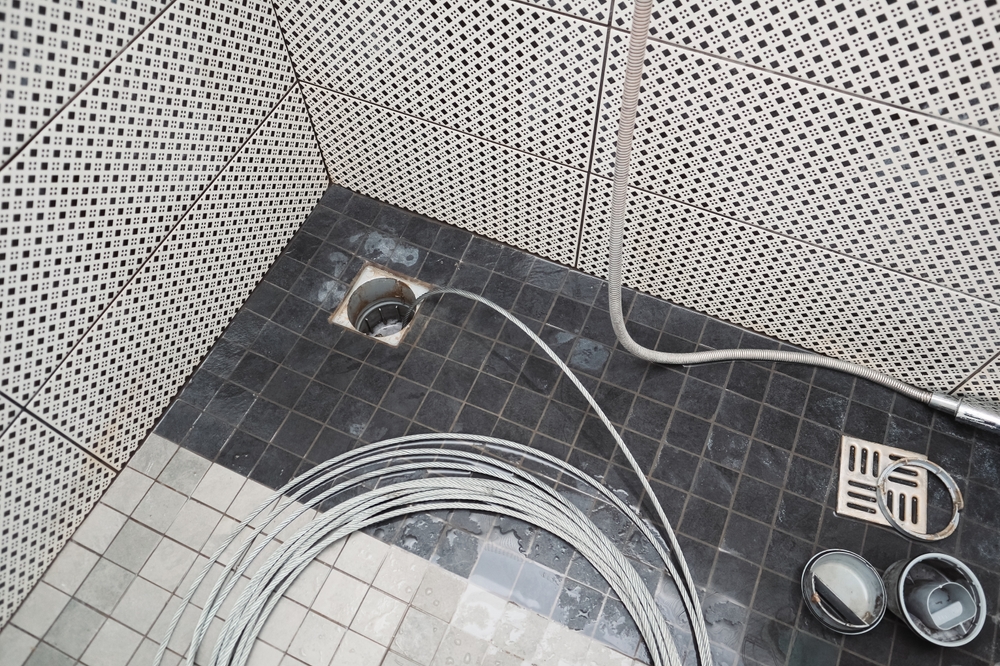
For decades, the standard response to a slow or backed-up drain was to call a service technician to run a spinning steel cable down the line. While mechanical snaking can poke a temporary hole through a soft grease plug or chop down immediate root growth, it is entirely blind. A drain cable cannot tell you whether the pipe is cracked, ovaling, offset, bellied, or completely rotted along the bottom.
Relying solely on mechanical snaking often provides a false sense of security. The cutting blade clears a narrow path through the center of a blockage, allowing water to drain temporarily, but it leaves the underlying structural damage untreated. Within weeks or months, roots grow back thicker, or solids catch once again on the same broken pipe joint, resulting in another emergency overflow.
Camera inspection service eliminates guesswork entirely. By examining the entire interior surface of your drain line in crystal-clear detail, our certified team pinpoints the exact footage, depth, and precise nature of the issue. This structural clarity prevents unnecessary exploratory digging, saves money on repeated emergency service calls, and gives property owners verified visual proof of their pipe’s true condition.
Modern Solutions: Non-Invasive Trenchless Pipe Rehabilitation
Once a high-definition camera inspection exposes root intrusions, offset joints, or corroded pipe walls, traditional plumbing methods required a destructive remedy: bringing in heavy machinery to dig up lawns, smash through custom outdoor kitchens, destroy tile patios, and trench through concrete driveways just to replace a buried pipe.
As specialized trenchless experts since 2008, Peerless Plumbing Company and Nudrain Phoenix completely eliminate the need for destructive property excavation. Utilizing state-of-the-art Cured-In-Place Pipe (CIPP) lining technology, we rehabilitate broken, leaking, or root-damaged underground drain lines from the inside out using existing cleanout access points.
Our non-invasive process begins with high-pressure hydro-jetting or specialized mechanical descaling to thoroughly scrub the pipe walls clean. We wash away decades of grease buildup, root masses, and calcified scale, restoring the original interior diameter of the pipe. Next, we saturate a flexible, engineered felt tube with a proprietary epoxy resin mix and carefully pull or invert the liner through the existing damaged pipe. Once the liner is precisely positioned over the damaged sections, we inflate it using compressed air or water, forcing the resin-soaked fabric tightly against the inner walls of the host pipe.
The liner cures under ambient temperatures or controlled heat, forming a smooth, seamless, jointless structural pipe directly inside the old, worn-out host line. Because this continuous epoxy shell has no open joints or seams, tree roots can never penetrate it again, and its slick interior surface actively repels mineral scale and debris. Best of all, this long-lasting structural restoration is completed without destroying landscape design features, disrupting local businesses, or displacing families from their homes.
Protecting Property Value and Infrastructure Investments
Your main sewer lateral is one of the most hardworking yet neglected structural components on your entire property. Because it remains hidden beneath soil and slab foundations, subtle warning signs, such as gurgling sounds in toilets, slow-draining tubs, foul odors near floor drains, or patches of unexpectedly green lawn, are easily overlooked until an expensive indoor sewage overflow occurs.
Choosing a certified, ethics-focused trenchless provider gives you total visual clarity regarding your underground plumbing health. High-definition video camera diagnostics deliver absolute facts, eliminating guesswork and giving you the power to make proactive, intelligent maintenance choices before small hairline fractures turn into costly structural pipe failures.
Frequently Asked Questions
How long does a sewer camera inspection take?
A standard residential camera inspection typically takes 30 to 60 minutes to thoroughly scope the main lateral line.
Can a sewer camera locate invisible leaks?
While cameras visually reveal cracks, holes, and separated joints, specialized pressure testing confirms minor, non-visible liquid leaks.
Will the inspection camera clear my blocked drain?
No, the camera is strictly a visual diagnostic tool; cleaning equipment like hydro-jetters or descalers is used to clear blockages.
How far down the pipe can your camera inspect?
Our flexible push cameras and self-leveling crawlers can easily inspect several hundred feet down residential and commercial mainlines.
What is really hiding inside your pipes? From thirsty desert root masses and shifted caliche joints to jagged cast iron tuberculation and deep structural bellies, the invisible natural forces beneath local properties are working every day to compromise underground infrastructure. A sewer camera inspection removes all the guesswork, giving you a clear view of your system’s interior condition before minor issues turn into destructive, costly backups. As we highlighted at the beginning of this investigation, underground drain lines suffer constant stress from shifting desert earth, aggressive native vegetation, and mineral-heavy water. Taking a proactive, verified approach to pipe maintenance preserves your property’s value, protects your hardscaping, and saves thousands of dollars in emergency repairs.
Do not wait for an unexpected sewage backup to reveal what is hiding beneath your foundation or lawn. Contact Peerless Plumbing Company and Nudrain Phoenix today to schedule your comprehensive sewer camera inspection and experience unmatched trenchless expertise!

Schedule Service
This is by far the best experience I’ve ever had with a plumbing company. Or any company as a matter of fact. Lindsey made sure we understood the repairs and that we had constant communication. The crew was punctual, very friendly and knowledgeable. I will always use Peerless Plumbing for all my needs and recommend to anyone and everyone. Thank you guys!!!!! (Google)
Ana Gomez
Satisfied Customer